
Why Essential Pipeline Services Matter

Pipelines are the lifelines of many industries, transporting vital resources such as water, oil, gas, and chemicals over long distances. Ensuring these pipelines operate efficiently and safely is crucial for maintaining supply chains, protecting the environment, and safeguarding public health. This is where essential pipeline services come into play. These services encompass a wide range of activities, from installation and inspection to maintenance and repair, all designed to keep pipelines functioning optimally.
Understanding why comprehensive pipeline services matter can help businesses and communities appreciate the value of investing in these critical operations. This article explores the importance of pipeline services, the types of pipelines, and the key benefits of maintaining a robust pipeline infrastructure.
The Importance of Essential Pipeline Services
Pipelines are subject to various stresses, including corrosion, mechanical damage, and environmental factors. Without proper care, these issues can lead to leaks, ruptures, and costly downtime. Essential pipeline services help prevent such problems by providing:
Regular inspections to detect early signs of wear and damage.
Preventive maintenance to extend the lifespan of pipelines.
Timely repairs to address issues before they escalate.
Upgrades and replacements to meet evolving industry standards.
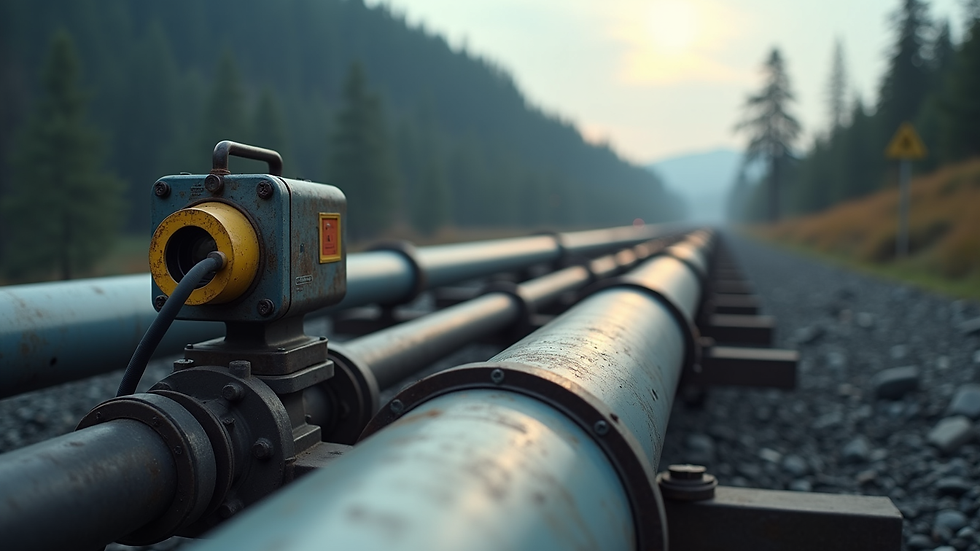
For example, a gas pipeline running through a remote area may be exposed to extreme weather conditions. Regular monitoring and maintenance ensure that any corrosion or damage is identified early, preventing potential leaks that could harm the environment and disrupt supply.
Moreover, these services contribute to regulatory compliance. Many countries have strict laws governing pipeline safety and environmental protection. Adhering to these regulations through comprehensive pipeline services helps companies avoid fines and legal issues.

Key Components of Essential Pipeline Services
Essential pipeline services cover a broad spectrum of activities, each critical to the pipeline’s overall health and performance. Some of the key components include:
Pipeline Inspection
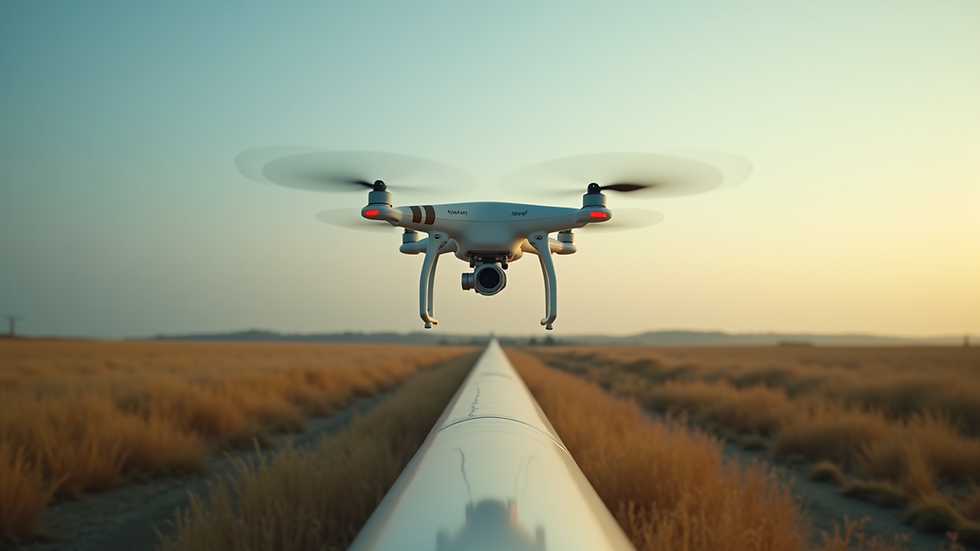
Using advanced technologies such as smart pigs, ultrasonic testing, and drones, inspections identify corrosion, cracks, and other defects. These inspections can be internal or external and are often scheduled regularly.
Cleaning and Pigging
Cleaning pipelines removes debris, deposits, and buildup that can reduce flow efficiency. Pigging involves sending a device called a "pig" through the pipeline to clean or inspect it.
Maintenance and Repairs
Maintenance includes activities like coating, cathodic protection, and valve servicing. Repairs address leaks, cracks, or damaged sections to restore pipeline integrity.
Installation and Commissioning
Proper installation ensures pipelines are laid correctly, with appropriate materials and techniques. Commissioning involves testing the pipeline before it goes into service.
Monitoring and Control Systems
Modern pipelines often use SCADA (Supervisory Control and Data Acquisition) systems to monitor pressure, flow, and temperature in real-time, enabling quick responses to anomalies.
By integrating these components, pipeline operators can ensure safe, efficient, and reliable transportation of resources.
What are the four major types of pipelines?
Understanding the different types of pipelines helps clarify why tailored services are necessary for each. The four major types of pipelines are:
Gathering Pipelines
These pipelines collect raw materials like crude oil or natural gas from production sites and transport them to processing facilities. They are usually smaller in diameter and cover shorter distances.
Transmission Pipelines
Transmission pipelines carry processed products over long distances, often crossing states or countries. They are larger and operate under high pressure.
Distribution Pipelines
These pipelines deliver products from transmission systems to end-users, such as homes and businesses. They are typically smaller and operate at lower pressures.
Industrial Pipelines
Used within industrial plants, these pipelines transport chemicals, water, steam, or other materials necessary for manufacturing processes.
Each type requires specific maintenance and inspection protocols. For instance, transmission pipelines need rigorous pressure testing and corrosion control due to their size and pressure, while distribution pipelines focus more on leak detection and safety in populated areas.

Benefits of Investing in Comprehensive Pipeline Services
Investing in comprehensive pipeline services offers numerous benefits that extend beyond simple maintenance. These include:
Enhanced Safety
Regular inspections and maintenance reduce the risk of leaks and ruptures, protecting workers, communities, and the environment.
Cost Savings
Preventive maintenance is often less expensive than emergency repairs or environmental cleanup after a failure.
Improved Efficiency
Clean and well-maintained pipelines operate more efficiently, reducing energy consumption and increasing throughput.
Regulatory Compliance
Meeting legal requirements avoids fines and supports sustainable operations.
Extended Pipeline Lifespan
Proper care can significantly extend the operational life of pipelines, delaying costly replacements.
For example, a company that invests in smart pigging technology can detect corrosion early and schedule repairs before a leak occurs. This proactive approach saves money and prevents environmental damage.
How to Choose the Right Pipeline Service Provider
Selecting the right provider for pipeline services is critical to ensuring quality and reliability. Here are some tips to consider:
Experience and Expertise
Look for companies with a proven track record in your specific pipeline type and industry.
Technology and Equipment
Providers using advanced inspection and maintenance technologies can offer more accurate diagnostics and efficient services.
Safety Record
A strong safety culture and compliance with industry standards are essential.
Customised Solutions
The provider should tailor services to your pipeline’s unique needs and conditions.
Customer Support
Responsive communication and ongoing support are important for long-term partnerships.
By carefully evaluating these factors, you can partner with a service provider that helps maximise your pipeline’s performance and safety.
Future Trends in Pipeline Services
The pipeline industry is evolving with new technologies and approaches that enhance service quality and efficiency. Some emerging trends include:
Digital Twins
Creating virtual models of pipelines to simulate conditions and predict maintenance needs.
Artificial Intelligence
Using AI to analyse inspection data and identify potential issues faster.
Robotics and Drones
Employing robots and drones for inspections in hard-to-reach or hazardous areas.
Sustainability Initiatives
Focusing on reducing environmental impact through better materials and leak detection.
These innovations promise to make pipeline services more effective and environmentally friendly in the years ahead.
By understanding the critical role of essential pipeline services, stakeholders can better appreciate the investments needed to maintain safe and efficient pipeline operations. Whether it is through regular inspections, timely repairs, or adopting new technologies, comprehensive pipeline services are indispensable for the longevity and reliability of pipeline infrastructure.
For more detailed information on pipeline services, exploring professional providers and their offerings can be a valuable next step.



Comments