
Why Essential Pipeline Services Matter

Pipelines are the lifelines of many industries, transporting vital resources such as water, oil, gas, and chemicals over long distances. Ensuring these pipelines operate efficiently and safely is crucial for maintaining supply chains, protecting the environment, and safeguarding public health. This is where essential pipeline services come into play. These services encompass a wide range of activities designed to install, maintain, inspect, and repair pipelines, ensuring their longevity and reliability.
Understanding why comprehensive pipeline services matter can help businesses and communities appreciate the value of investing in proper pipeline management. This article explores the importance of these services, the types of pipelines commonly used, and the key components that make pipeline maintenance effective.
The Importance of Essential Pipeline Services
Pipelines are subject to various stresses, including corrosion, mechanical damage, and environmental factors. Without proper care, these issues can lead to leaks, ruptures, and costly downtime. Essential pipeline services help prevent such problems by providing:
Regular inspections to detect early signs of wear and damage.
Preventive maintenance to extend the lifespan of pipelines.
Timely repairs to address issues before they escalate.
Upgrades and replacements to keep pipelines up to date with safety standards.
For example, corrosion control is a critical aspect of pipeline maintenance. Using techniques such as cathodic protection and coating applications, service providers can significantly reduce the risk of corrosion-related failures. This proactive approach not only saves money but also protects the environment from potential spills.
Moreover, essential pipeline services ensure compliance with regulatory requirements. Governments and industry bodies impose strict standards on pipeline operations to minimise risks. Regular audits and documentation provided by service companies help operators meet these standards and avoid penalties.
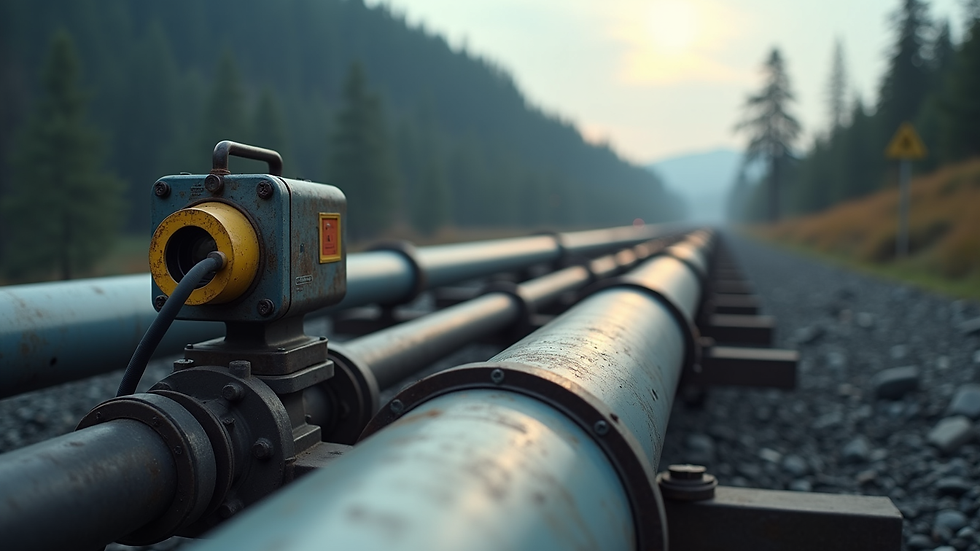
Pipeline inspection is vital for detecting early signs of damage and preventing failures.
Key Components of Essential Pipeline Services
To fully understand the scope of essential pipeline services, it is helpful to break down the main components involved:
1. Pipeline Installation and Construction
Proper installation is the foundation of a reliable pipeline system. This phase includes route planning, trenching, welding, and laying the pipeline. Skilled technicians ensure that the pipeline is installed according to design specifications and safety standards.
2. Inspection and Monitoring
Regular inspections use advanced technologies such as smart pigs, ultrasonic testing, and infrared cameras to assess the condition of pipelines. These tools can detect cracks, corrosion, and other defects that are not visible to the naked eye.
3. Maintenance and Repair
Maintenance activities include cleaning, coating, and replacing worn-out parts. When defects are found, repair teams act quickly to fix leaks or structural damage, preventing costly shutdowns and environmental harm.
4. Integrity Management
This involves analysing data from inspections and monitoring to predict potential failures and plan maintenance schedules. Integrity management systems help operators prioritise resources and improve pipeline safety.
5. Emergency Response
In the event of a pipeline failure, rapid response teams are essential to contain spills, repair damage, and restore service. Having a well-prepared emergency plan minimises the impact on communities and the environment.
What are the four major types of pipelines?
Pipelines come in various forms depending on the materials they transport and their applications. The four major types of pipelines are:
1. Oil Pipelines
These pipelines transport crude oil or refined petroleum products. They are often large-diameter pipelines designed to move high volumes over long distances. Oil pipelines require robust corrosion protection and leak detection systems due to the hazardous nature of their contents.
2. Gas Pipelines
Natural gas pipelines carry gas from production sites to consumers. They operate under high pressure and require specialised materials and safety measures to prevent leaks and explosions.
3. Water Pipelines
Water pipelines supply potable water to residential, commercial, and industrial users. They must meet strict hygiene standards and are often made from materials resistant to corrosion and contamination.
4. Chemical Pipelines
These pipelines transport various chemicals used in manufacturing and processing. Due to the corrosive and sometimes toxic nature of chemicals, these pipelines require specialised coatings and monitoring systems.
Each type of pipeline demands tailored services to address its unique challenges and ensure safe operation.

Gas pipelines require precise monitoring and control to maintain safety and efficiency.
Benefits of Investing in Comprehensive Pipeline Services
Investing in comprehensive pipeline services offers numerous benefits that extend beyond immediate operational needs:
Enhanced Safety: Regular maintenance and inspections reduce the risk of accidents and environmental disasters.
Cost Savings: Preventive care avoids expensive emergency repairs and downtime.
Regulatory Compliance: Meeting legal requirements protects companies from fines and legal action.
Environmental Protection: Proper pipeline management prevents leaks that can harm ecosystems.
Improved Efficiency: Well-maintained pipelines operate more efficiently, reducing energy consumption and losses.
For instance, a company that schedules routine inspections and maintenance can detect minor corrosion early and apply protective coatings before it becomes a major problem. This approach saves money and prevents service interruptions.
How to Choose the Right Pipeline Service Provider
Selecting a reliable pipeline service provider is crucial for ensuring the quality and effectiveness of maintenance programs. Here are some tips to consider:
Experience and Expertise: Look for companies with a proven track record in your specific pipeline type and industry.
Technology and Equipment: Ensure the provider uses modern inspection and repair technologies.
Safety Record: Check their safety certifications and history of incident-free operations.
Regulatory Knowledge: The provider should be familiar with local and international pipeline regulations.
Customer Support: Responsive communication and emergency support are essential.
By carefully evaluating these factors, businesses can partner with service providers that deliver value and peace of mind.
Future Trends in Pipeline Services
The pipeline industry is evolving with advances in technology and increasing environmental awareness. Some emerging trends include:
Digital Twins: Creating virtual models of pipelines to simulate and predict maintenance needs.
Robotics and Drones: Using automated devices for inspections in hard-to-reach areas.
Smart Sensors: Real-time monitoring of pipeline conditions to detect anomalies instantly.
Sustainable Materials: Developing eco-friendly coatings and pipeline materials to reduce environmental impact.
Adopting these innovations will enhance the effectiveness of essential pipeline services and contribute to safer, more sustainable pipeline operations.
Taking Action: Maintaining Pipeline Integrity
Maintaining pipeline integrity is a continuous process that requires commitment and resources. Here are actionable recommendations for pipeline operators:
Schedule regular inspections using advanced technologies.
Implement a comprehensive maintenance plan that includes cleaning, coating, and repairs.
Train staff on safety protocols and emergency response procedures.
Collaborate with experienced service providers to leverage their expertise.
Stay updated on regulatory changes and industry best practices.
By following these steps, operators can ensure their pipelines remain safe, efficient, and compliant.
For more information on how to protect and maintain your pipeline infrastructure, consider exploring professional pipeline services that offer tailored solutions to meet your needs.




Comments