
Pipeline Servicing Solutions for Long-term Reliability

Pipelines are the backbone of many industries, transporting essential resources such as water, oil, and gas over vast distances. Ensuring their long-term reliability is crucial to avoid costly disruptions, environmental hazards, and safety risks. Regular maintenance and servicing are key to keeping pipelines in optimal condition. This article explores the importance of pipeline servicing solutions, practical maintenance strategies, and insights into the pipeline industry.
Understanding Pipeline Servicing Solutions
Pipeline servicing solutions encompass a range of activities designed to inspect, repair, and maintain pipelines. These solutions help detect potential issues early, prevent leaks, and extend the lifespan of pipeline infrastructure. Common servicing tasks include cleaning, corrosion control, pressure testing, and integrity assessments.
For example, pigging is a popular cleaning method where a device called a "pig" is sent through the pipeline to remove debris and buildup. This process not only improves flow efficiency but also helps identify internal damages. Additionally, cathodic protection systems are installed to prevent corrosion by applying electrical currents that counteract corrosive forces.
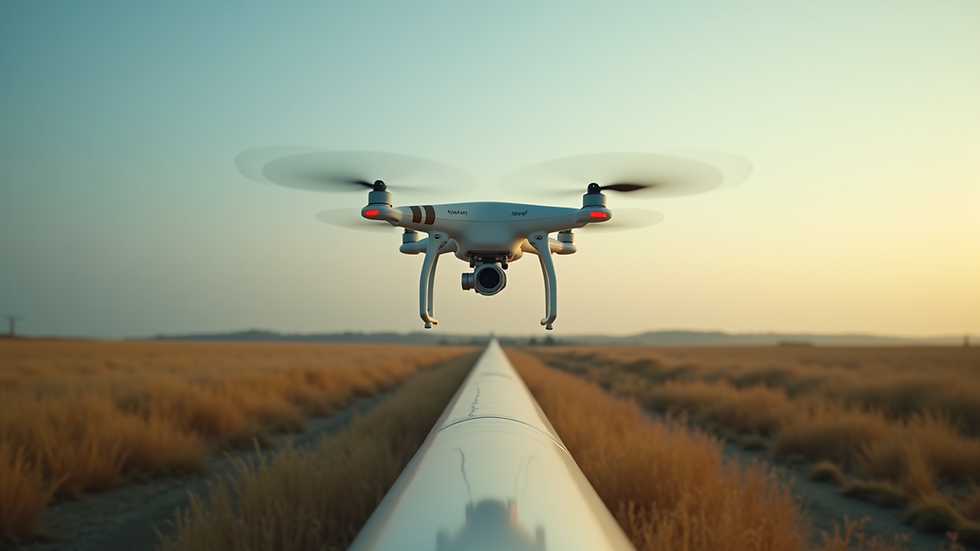
Implementing comprehensive servicing solutions requires skilled technicians and advanced technology. Drones and smart sensors are increasingly used to monitor pipeline conditions remotely, providing real-time data and reducing the need for manual inspections.
Key Benefits of Pipeline Servicing Solutions
Investing in pipeline servicing solutions offers numerous benefits that contribute to operational efficiency and safety:
Enhanced Safety: Regular inspections and maintenance reduce the risk of leaks and ruptures, protecting workers and nearby communities.
Cost Savings: Early detection of issues prevents expensive emergency repairs and downtime.
Environmental Protection: Preventing leaks minimizes environmental contamination and regulatory penalties.
Extended Asset Life: Proper servicing prolongs the functional lifespan of pipelines, maximizing return on investment.
Regulatory Compliance: Adhering to maintenance standards ensures compliance with industry regulations and avoids legal complications.
For instance, a pipeline operator who schedules routine inspections and maintenance can identify corrosion spots before they develop into leaks. This proactive approach saves money and safeguards the environment.
What is the highest paying pipeline job?
The pipeline industry offers a variety of well-paying roles, with salaries often reflecting the level of skill, responsibility, and risk involved. Among these, Pipeline Engineers and Pipeline Construction Managers typically earn the highest wages.
Pipeline Engineer: Responsible for designing, planning, and overseeing pipeline projects. They ensure the pipeline meets safety and performance standards. Salaries can range from £50,000 to over £90,000 annually, depending on experience and location.
Pipeline Construction Manager: Oversees the construction phase, managing teams and ensuring projects are completed on time and within budget. Their salaries often exceed £70,000 per year.
Pipeline Inspectors and Technicians: While not as highly paid as engineers or managers, these roles are essential for ongoing maintenance and safety checks, with salaries typically between £30,000 and £50,000.
Specialised roles such as Corrosion Specialists and Integrity Engineers also command competitive salaries due to their expertise in preventing pipeline failures.
Essential Pipeline Maintenance Practices
Maintaining pipelines involves a combination of routine and specialised tasks. Here are some essential practices that ensure long-term reliability:
Regular Inspections
Conduct visual and instrument-based inspections to detect cracks, corrosion, or mechanical damage. Technologies like ultrasonic testing and smart pigs provide detailed internal assessments.
Cleaning and Pigging
Remove deposits and debris that can obstruct flow or cause corrosion. Pigging frequency depends on the pipeline’s contents and operating conditions.
Corrosion Control
Apply protective coatings and use cathodic protection systems to prevent metal degradation. Monitoring corrosion rates helps adjust protection measures as needed.
Pressure Testing
Perform hydrostatic or pneumatic tests to verify pipeline integrity under operating pressures. This helps identify weak points before they fail.
Leak Detection Systems
Install sensors and monitoring software to detect leaks early. Prompt response to leaks reduces environmental impact and repair costs.
Documentation and Reporting
Maintain detailed records of inspections, repairs, and maintenance activities. This documentation supports regulatory compliance and helps plan future servicing.
By following these practices, pipeline operators can significantly reduce the risk of failures and ensure continuous, safe operation.

Choosing the Right Pipeline Maintenance Partner
Selecting a reliable partner for pipeline servicing solutions is critical. Here are some factors to consider:
Experience and Expertise: Look for companies with proven track records in pipeline maintenance and knowledge of industry standards.
Technology and Equipment: Ensure they use advanced tools such as smart pigs, drones, and real-time monitoring systems.
Safety Record: Prioritise partners with strong safety protocols and certifications.
Customised Solutions: The partner should tailor maintenance plans to your specific pipeline type, location, and operational needs.
Responsive Support: Choose a service provider that offers quick response times for emergency repairs and ongoing support.
Engaging a professional service provider can help you implement effective maintenance strategies and avoid costly pipeline failures.
Future Trends in Pipeline Servicing Solutions
The pipeline industry is evolving with new technologies and approaches that enhance maintenance efficiency and reliability:
Digital Twins: Creating virtual models of pipelines to simulate conditions and predict maintenance needs.
Artificial Intelligence: Using AI algorithms to analyse inspection data and identify potential issues faster.
Robotics: Deploying robotic devices for internal inspections and repairs in hard-to-reach areas.
Sustainability Focus: Developing eco-friendly materials and methods to reduce environmental impact.
Staying informed about these trends can help pipeline operators adopt innovative solutions that improve long-term reliability.
Maximising Pipeline Longevity Through Proactive Care
Long-term pipeline reliability depends on proactive care and strategic maintenance planning. By integrating regular inspections, advanced technology, and expert servicing, pipeline operators can safeguard their infrastructure against failures and costly downtime.
For those seeking comprehensive pipeline maintenance services, partnering with experienced professionals ensures pipelines remain safe, efficient, and compliant with regulations. Investing in these services today will pay dividends in operational stability and environmental stewardship tomorrow.




Comments