
Comprehensive Pipeline Safety Solutions for Ensuring Pipeline Integrity

Pipelines are critical infrastructure for transporting oil, gas, and other fluids safely and efficiently. Maintaining their integrity is essential to prevent leaks, environmental damage, and costly repairs. This article explores comprehensive pipeline safety solutions designed to protect pipelines throughout their lifecycle. We will cover key strategies, technologies, and best practices that help operators maintain safe and reliable pipeline systems.
Understanding Pipeline Safety Solutions
Pipeline safety solutions encompass a range of methods and technologies aimed at preventing failures and ensuring continuous operation. These solutions address risks such as corrosion, mechanical damage, material defects, and operational errors. Implementing a robust safety program involves:
Regular inspections using advanced tools like smart pigs and drones
Corrosion control through coatings, cathodic protection, and chemical inhibitors
Leak detection systems that provide real-time monitoring
Emergency response planning to quickly address incidents
For example, inline inspection tools, often called smart pigs, travel inside pipelines to detect anomalies such as cracks or corrosion. These inspections provide detailed data that help operators prioritise maintenance and repairs before failures occur.

Key Technologies in Pipeline Safety Solutions
Modern pipeline safety solutions rely heavily on technology to enhance monitoring and maintenance. Some of the most effective technologies include:
Smart Pigging
Smart pigs use sensors to measure wall thickness, detect corrosion, and identify cracks. They provide precise data that helps prevent leaks and ruptures.
Remote Monitoring Systems
These systems use sensors and SCADA (Supervisory Control and Data Acquisition) to continuously monitor pressure, flow, and temperature. Alerts are generated if abnormal conditions are detected.
Drones and Aerial Surveillance
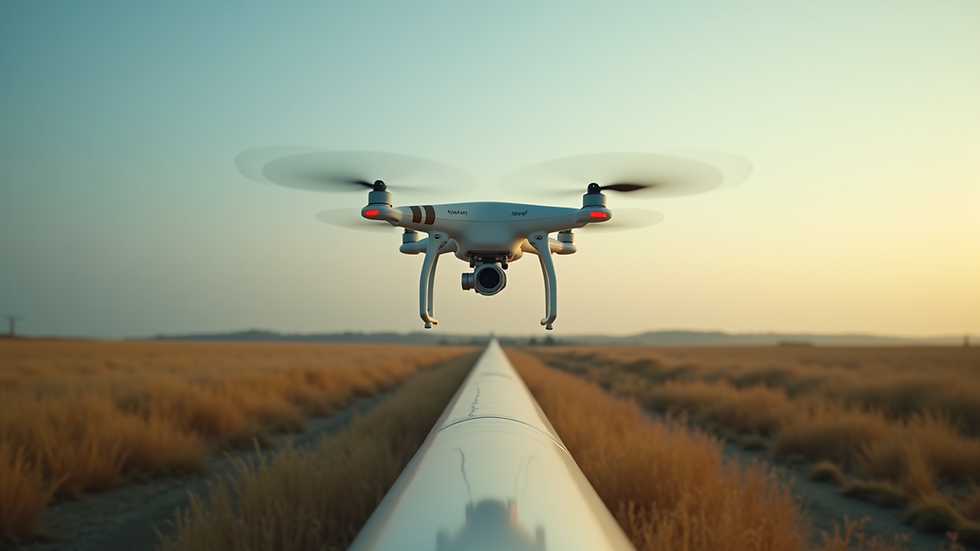
Drones equipped with cameras and sensors can inspect pipeline routes, especially in remote or difficult terrain. They help identify external damage or encroachments.
Cathodic Protection
This electrochemical method prevents corrosion by applying a small electrical current to the pipeline, protecting the metal from rusting.
Leak Detection Technologies
Techniques such as acoustic sensors, fibre optic cables, and pressure point analysis detect leaks early, minimising environmental impact.
By integrating these technologies, pipeline operators can maintain a high level of safety and reduce the risk of costly failures.

How much does a pipeline integrity technician make?
Pipeline integrity technicians play a vital role in maintaining pipeline safety. Their responsibilities include conducting inspections, analysing data, and implementing maintenance plans. Salaries for these technicians vary depending on experience, location, and employer.
In the UK, the average salary for a pipeline integrity technician ranges from £25,000 to £40,000 per year. Entry-level technicians may start at the lower end, while experienced professionals with specialised skills can earn towards the higher end. Additional certifications and training can also increase earning potential.
Employers often provide benefits such as overtime pay, travel allowances, and opportunities for career advancement. The demand for skilled technicians remains strong due to the critical nature of pipeline infrastructure.
Best Practices for Maintaining Pipeline Integrity
Maintaining pipeline integrity requires a proactive and systematic approach. Here are some best practices that operators should follow:
Develop a comprehensive integrity management plan that includes risk assessment, inspection schedules, and maintenance procedures.
Use data analytics to predict potential failure points and optimise inspection intervals.
Train personnel regularly on safety protocols and emergency response.
Implement corrosion control measures such as coatings and cathodic protection.
Conduct regular inline inspections using smart pigs or other tools.
Monitor pipelines continuously with remote sensors and leak detection systems.
Engage with local communities to report any unusual activity near pipelines.
Maintain clear documentation of all inspections, repairs, and incidents.
By following these practices, pipeline operators can extend the lifespan of their assets and reduce the risk of accidents.
Future Trends in Pipeline Safety Solutions
The pipeline industry is evolving with new technologies and approaches to enhance safety. Some emerging trends include:
Artificial Intelligence (AI) and Machine Learning
AI algorithms analyse large datasets from inspections and sensors to predict failures and optimise maintenance.
Robotics and Automated Inspection
Robots can perform detailed inspections in hazardous or hard-to-reach areas, reducing human risk.
Advanced Materials
New pipeline materials with improved corrosion resistance and durability are being developed.
Digital Twins
Creating digital replicas of pipelines allows operators to simulate scenarios and plan maintenance more effectively.
Enhanced Cybersecurity
Protecting pipeline control systems from cyber threats is becoming increasingly important.
These innovations promise to improve pipeline safety and operational efficiency in the coming years.
Implementing Effective Pipeline Integrity Solutions
To implement effective pipeline integrity solutions, organisations should start with a thorough assessment of their current infrastructure and risks. This includes:
Mapping pipeline routes and identifying high-risk areas
Reviewing past incidents and maintenance records
Selecting appropriate inspection and monitoring technologies
Training staff and establishing clear communication channels
Investing in emergency response capabilities
Regular audits and continuous improvement are essential to adapt to changing conditions and new threats. Collaboration with industry experts and regulatory bodies also helps ensure compliance and best practices.
By taking a comprehensive approach, pipeline operators can safeguard their assets, protect the environment, and maintain public trust.
This overview of comprehensive pipeline safety solutions highlights the importance of technology, best practices, and future innovations in maintaining pipeline integrity. Investing in these areas not only prevents costly failures but also supports sustainable and responsible pipeline operations.



Comments