
Understanding the Pipeline Building Process

Updated: Jan 5
The pipeline building process involves several critical steps, each requiring careful planning and execution. The process typically begins with route selection and feasibility studies, followed by design, material procurement, construction, and finally, testing and commissioning.
Route Selection and Surveying
Choosing the right path for a pipeline is fundamental. Engineers conduct environmental impact assessments, land surveys, and geotechnical studies to identify the most efficient and least disruptive route. Factors such as terrain, existing infrastructure, and environmental sensitivity are considered.
Design and Engineering
Once the route is finalized, detailed engineering designs are developed. This includes determining pipe diameter, wall thickness, and material type based on the fluid to be transported and operating conditions. Safety standards and regulatory requirements guide the design process.
Material Procurement
Selecting high-quality materials is essential for pipeline durability and safety. Pipes are usually made from steel or polyethylene, depending on the application. Coatings and corrosion protection measures are also specified at this stage.
Construction and Installation
Construction involves trenching, pipe laying, welding, and backfilling. Specialized equipment and skilled labour are required to ensure precision and safety. In some cases, horizontal directional drilling is used to cross obstacles like rivers or roads without disturbing the surface.
Testing and Commissioning
After installation, pipelines undergo rigorous testing, including pressure tests and inspections, to detect leaks or weaknesses. Once approved, the pipeline is commissioned and put into operation.

Pipeline trench being prepared for pipe laying
Key Considerations in the Pipeline Building Process
Several factors influence the success of a pipeline project. Understanding these considerations helps in managing risks and ensuring efficient execution.
Environmental Impact
Minimising environmental disruption is a priority. Measures such as wildlife protection, erosion control, and habitat restoration are integrated into the project plan.
Safety Protocols
Safety is paramount during construction and operation. Workers must follow strict guidelines, wear protective gear, and use safe handling procedures for hazardous materials.
Regulatory Compliance
Pipeline projects must comply with local, national, and international regulations. This includes obtaining permits, adhering to construction codes, and conducting regular inspections.
Community Engagement
Engaging with local communities helps address concerns and gain support. Transparent communication about project benefits and potential impacts fosters positive relationships.
Cost Management
Budgeting and cost control are critical. Unexpected challenges such as difficult terrain or weather conditions can increase expenses, so contingency plans are necessary.
Is Pipeline a Good Job?
Working in pipeline construction offers various career opportunities, from engineering and project management to skilled trades like welding and heavy machinery operation. The industry often provides competitive salaries and benefits, especially for experienced professionals.
Job Stability
Pipelines are long-term infrastructure projects, offering steady employment during construction and maintenance phases.
Skill Development
Employees gain valuable technical skills and certifications that can enhance career prospects.
Work Environment
Jobs may require working in remote or challenging locations, which can be demanding but rewarding for those who enjoy outdoor and hands-on work.
Safety Risks
The nature of pipeline work involves exposure to hazards such as heavy equipment and hazardous materials, so strict adherence to safety protocols is essential.
Overall, pipeline jobs can be fulfilling for individuals interested in construction, engineering, and infrastructure development.

Welding a steel pipeline section during construction
Challenges in the Pipeline Building Process and How to Overcome Them
Pipeline projects face numerous challenges that can impact timelines and budgets. Being aware of these issues and implementing strategies to address them is crucial.
Terrain and Weather Conditions
Difficult terrain such as mountains, wetlands, or rocky areas can complicate construction. Weather extremes like heavy rain or snow also cause delays. Using advanced surveying technology and flexible scheduling helps mitigate these risks.
Environmental Restrictions
Protected areas and sensitive ecosystems may limit construction options. Collaborating with environmental experts and adopting less invasive techniques like horizontal directional drilling can reduce impact.
Supply Chain Disruptions
Delays in material delivery can stall progress. Establishing reliable supplier relationships and maintaining inventory buffers are effective solutions.
Community Opposition
Local resistance can arise due to environmental or social concerns. Proactive community engagement and transparent communication are key to building trust.
Technical Failures
Issues such as pipe defects or welding faults can compromise pipeline integrity. Implementing rigorous quality control and inspection protocols ensures high standards.
Future Trends in the Pipeline Building Process
The pipeline industry is evolving with technological advancements and changing environmental priorities. Staying informed about these trends can help professionals adapt and innovate.
Smart Pipelines
Integration of sensors and IoT technology allows real-time monitoring of pipeline conditions, enhancing safety and maintenance efficiency.
Sustainable Practices
Increasing focus on reducing carbon footprint leads to the adoption of eco-friendly materials and construction methods.
Automation and Robotics
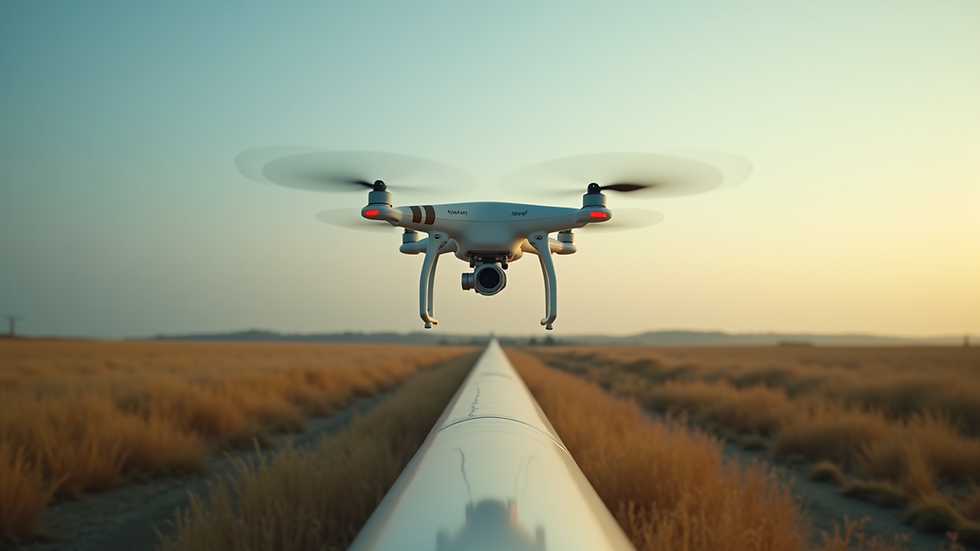
Use of drones, automated welding machines, and robotic inspection tools improves precision and reduces human risk.
Regulatory Evolution
Stricter environmental and safety regulations require continuous updates to design and operational practices.
Cross-sector Collaboration
Partnerships between industries, governments, and communities promote holistic approaches to pipeline development.
Exploring these trends can provide a competitive edge and contribute to more resilient infrastructure.
Enhancing Your Pipeline Project Success
To maximise the success of any pipeline project, consider the following actionable recommendations:
Invest in Comprehensive Planning
Detailed feasibility studies and risk assessments lay a strong foundation.
Prioritise Training and Safety
Regular training sessions and safety audits protect workers and assets.
Leverage Technology
Employ modern tools for design, construction, and monitoring to improve accuracy and efficiency.
Maintain Open Communication
Keep stakeholders informed and involved throughout the project lifecycle.
Plan for Maintenance
Establish clear protocols for ongoing inspection and repair to extend pipeline lifespan.
By following these guidelines, project managers and teams can navigate complexities and deliver successful pipeline installations.
For more detailed insights and resources on pipeline construction, exploring industry publications and standards is highly recommended.
Conclusion
In conclusion, understanding the pipeline building process is essential for success in this field. By considering the key stages, challenges, and future trends, professionals can enhance their projects and contribute to the development of vital infrastructure. Embracing innovation and prioritising safety will ensure that pipeline projects are not only efficient but also sustainable for future generations.



Comments